
A premium beverage can lose its position before the consumer takes the first sip. A weak seal, faded label, excessive headspace, or package that looks ordinary on shelf can undermine a formula built with real ingredients. Knowing how to package premium beverages means treating the container, closure, label, and secondary pack as part of the product standard – not as an afterthought.
For beverage brands, importers, retailers, and hospitality buyers, packaging must protect quality while making a clear commercial statement. It also has to run consistently at volume, meet regulatory requirements, survive distribution, and support the right price point. Premium is not one material or one format. It is the disciplined alignment of product, package, channel, and production capability.
Start With the Beverage, Not the Bottle
The right package begins with the beverage’s physical and commercial requirements. Carbonation level, acidity, light sensitivity, viscosity, particulate content, fill temperature, shelf-life target, and oxygen exposure all affect packaging decisions. A cold-pressed functional drink and a sparkling classic cocktail may both carry a premium position, but they require different protection strategies.
For example, beverages containing natural colors, botanical extracts, vitamins, or fruit-derived ingredients may be sensitive to light and oxygen. Clear packaging can display the product attractively, but it may shorten color stability or flavor integrity unless the formulation and distribution cycle support it. An opaque can or tinted glass bottle can provide stronger protection, but it changes how consumers experience the product on shelf.
Carbonated products require pressure-rated containers and closures. Still beverages may allow more format flexibility, but they still need controlled oxygen pickup, reliable torque, and appropriate headspace. Products with pulp or functional ingredients may also need package geometry that supports filling accuracy and consumer use. The premium decision is the one that preserves the intended experience from production through consumption.
Choose a Format That Matches the Channel
Packaging format should reflect where and how the beverage will be sold. On-premise accounts often value presentation, speed of service, and portion control. Off-premise retail requires shelf impact, case efficiency, barcode accuracy, and resilience through warehousing and transport. E-commerce introduces another layer: the pack must withstand parcel handling without costly breakage.
Glass remains a strong premium signal for cocktails, sparkling beverages, and products designed for hospitality or specialty retail. It offers excellent product protection and a substantial hand feel. The trade-off is weight, breakage risk, freight cost, and a more demanding distribution profile.
Aluminum cans provide strong barriers against light and oxygen, efficient chilling, excellent recyclability, and high-speed production compatibility. They work especially well for energy, sports, functional, and ready-to-drink products. A premium can needs more than a premium formula. Matte finishes, tactile varnishes, precise print quality, and disciplined graphic hierarchy can create a high-value shelf presence without sacrificing the advantages of an efficient format.
PET can be appropriate for products where portability, resealability, and lower weight are priorities. It is widely used across sports drinks and select functional beverages, but material selection must account for oxygen transmission, carbonation retention, and the brand’s sustainability commitments. Cartons and specialty formats may also fit certain products, particularly when shelf life, portability, or differentiated retail presentation drives the commercial brief.
Build Protection Into Every Packaging Decision
A package has one non-negotiable job: keep the beverage safe, stable, and true to specification. Premium positioning depends on repeatable quality, not a one-time visual impression.
Barrier performance is central. Oxygen can affect flavor, aroma, color, and sensitive nutrients. Light can degrade natural ingredients and create inconsistency across the product’s stated shelf life. Closure systems must hold pressure where required, prevent leakage, and open with the expected consumer experience. A package that is difficult to open, reseal, pour, or hold can create friction that no premium label can overcome.
Secondary packaging matters just as much. Cases, trays, dividers, shrink configurations, and pallet patterns need to protect the finished goods through automated handling, container loading, distribution centers, and retail stocking. A beautiful bottle that breaks in transit is not premium. It is an avoidable supply-chain failure.
Testing should reflect actual conditions, including temperature variation, vibration, compression, drop performance, and extended storage. Brands should also validate package compatibility with the production process before launch. A design that looks excellent in a render may not perform at line speed or may create unacceptable scrap rates. Premium packaging must be engineered for reality.
Design for Recognition, Not Decoration
Premium design is clear before it is complex. Buyers and consumers should understand what the beverage is, why it is different, and why it earns its price within seconds. The front panel should establish the brand, product type, flavor or functional benefit, and relevant product cues without forcing the shopper to search for basic information.
For natural beverages, design should support the promise of purity without relying on vague visual shorthand. Ingredient-led claims, clean composition, restrained color use, and readable typography can communicate confidence. If the product contains real fruit, natural caffeine, electrolytes, or functional ingredients, the package should present those benefits accurately and consistently with the formula.
Avoid overloading the label with competing claims. A crowded package can look less credible, particularly in premium categories where precision signals quality. The strongest designs create hierarchy: brand first, product proposition second, supporting proof points third.
This is also where format and finish should work together. Embossing, metallic accents, textured labels, custom closures, and specialty inks can strengthen perceived value. They also increase complexity, lead times, and cost. The right choice depends on expected volume, channel margin, and whether the added feature supports a meaningful brand distinction. Premium should feel intentional, not expensive for its own sake.
Meet Compliance Requirements Before Production
A package is a regulated product communication tool. In the United States, beverage labels must be developed with the relevant food, alcohol, nutrition, ingredient, allergen, net contents, and claim requirements in mind. Requirements vary by category, formula, market, and sales channel.
Claims deserve particular discipline. Terms such as “natural,” “energy,” “hydration,” “electrolytes,” and specific wellness statements can create regulatory and commercial risk when they are not supported by the formula and appropriate labeling. The same applies to organic, non-GMO, sugar-related, and functional benefit claims. Packaging should reflect what the product can substantiate – no more and no less.
International distribution adds further complexity. Language rules, deposit markings, recycling symbols, local ingredient declarations, and market-specific labeling standards may require separate artwork versions. Planning these requirements early prevents costly revisions, obsolete inventory, and delayed launches.
How to Package Premium Beverages for Scale
The transition from a strong concept to a reliable commercial product is where many brands lose time and margin. Packaging choices should be evaluated not only for appearance but also for supply continuity, equipment compatibility, minimum order quantities, lead times, and production throughput.
A scalable program begins with specifications. Define the container, closure, label stock, decoration method, case pack, pallet configuration, and acceptable quality limits before final production. This creates a shared standard among the brand, packaging suppliers, co-manufacturer, and distribution partners.
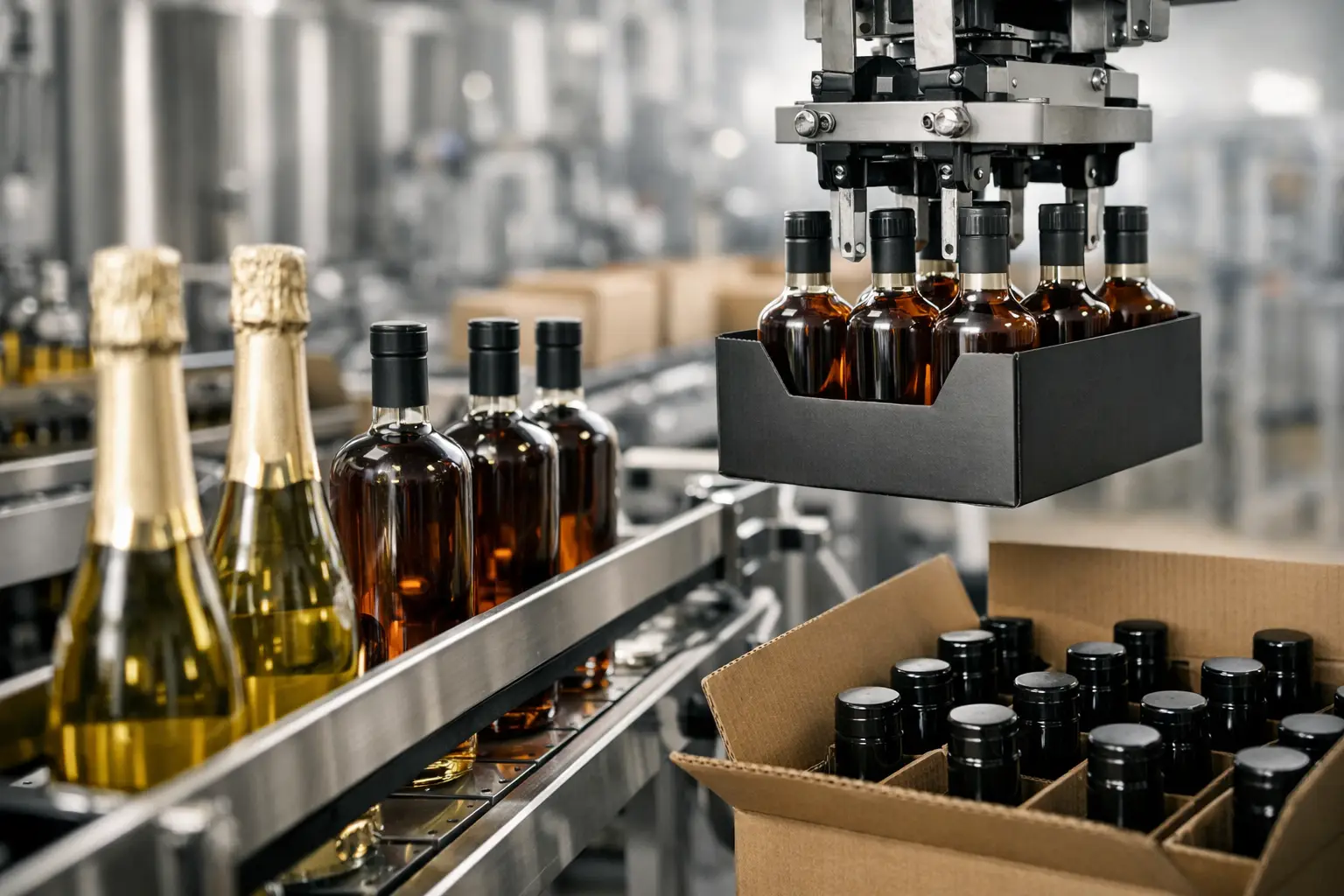
The best manufacturing approach balances craft-level quality control with automated consistency. High-speed lines can support premium beverages when the process is properly designed: validated fill volumes, closure verification, coding accuracy, inspection systems, traceability, and documented sanitation controls. Scale does not require compromise. It requires tighter control.
UNC One Corp. approaches packaging as part of end-to-end beverage execution, combining natural-product standards with production capacity across key international regions. For a new brand, that means considering package feasibility alongside formulation and market strategy from the beginning. For an established brand, it means identifying where a package can improve shelf performance, reduce logistics risk, or support higher-volume distribution without changing the product promise.
Control Costs Without Diluting the Brand
Premium packaging carries cost, but not every cost creates value. Custom molds, uncommon closures, multi-component labels, and specialty finishes may elevate appearance, yet they can also create supply constraints and lower operating efficiency. The right question is not whether a packaging element looks premium. It is whether it improves product protection, consumer perception, channel fit, or price realization.
Sometimes the strongest solution is a standard can size with exceptional graphics and disciplined finishing. In other cases, a proprietary bottle shape is justified because the product is built for high-end hospitality or giftable retail. It depends on the commercial model. A package should support profitable repeat purchase, not merely a successful first impression.
Build flexibility where it matters. Shared components across flavors can reduce inventory complexity. Label variations can allow seasonal or channel-specific programs without redesigning the entire pack. Standardized case dimensions can improve freight efficiency and simplify retailer handling. These operational decisions protect margin while keeping the brand presentation consistent.
Premium beverages earn trust when every touchpoint performs: the package looks right, protects the formula, communicates honestly, and arrives in market exactly as intended. Choose packaging with the same discipline used to choose ingredients. Real quality should hold up on the shelf, on the line, and at scale.

No responses yet