
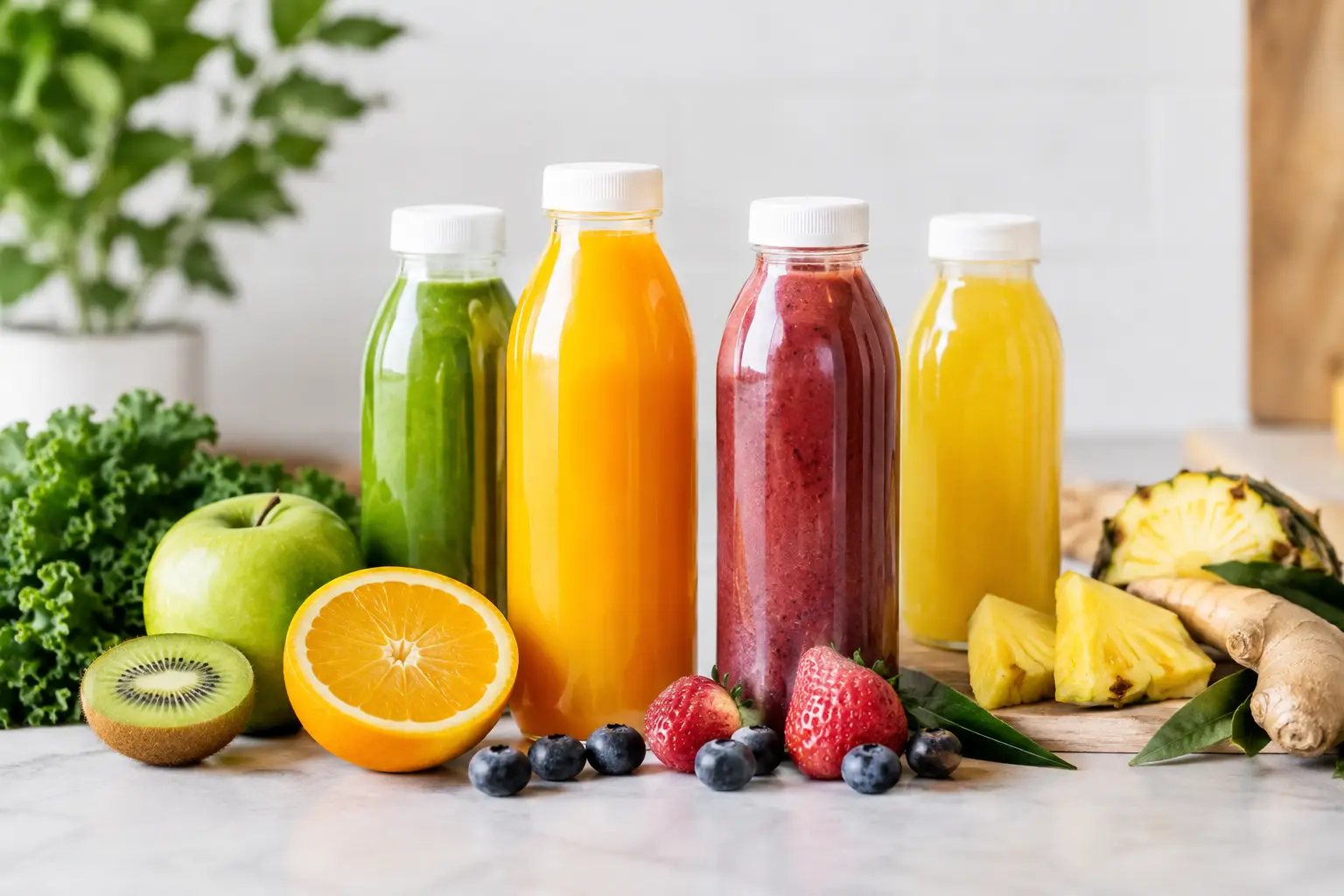
Shelf space is expensive, and slow-moving products cost more than their invoice price. Retailers need beverages that earn attention quickly, meet rising clean-label expectations, and arrive with the supply consistency required for repeat orders. The best natural drinks for retailers do not rely on vague wellness language or novelty alone. They pair a clear consumer benefit with real ingredients, credible packaging claims, and dependable execution.
For buyers, the opportunity is broader than a single “healthy drink” segment. Natural ready-to-drink cocktails, sports beverages, better-for-you energy drinks, and functional refreshment can each serve distinct occasions. The right assortment depends on the store format, shopper profile, price architecture, and the supplier’s ability to scale without compromising quality.
What Makes a Natural Beverage Retail-Ready?
Natural positioning gets a product onto a buyer’s consideration list. It does not guarantee velocity. A retail-ready beverage must communicate its value in seconds, perform consistently in the cooler, and fit the operational reality of the account.
The foundation is ingredient integrity. Consumers increasingly read labels, particularly in energy, sports hydration, and functional categories. Products built on recognizable ingredients and direct claims are easier for retail teams to merchandise and easier for shoppers to trust. “Natural” should be supported by the formulation, not used as a substitute for it.
Taste remains non-negotiable. A beverage can have a strong nutritional profile and still fail if it lacks flavor, balance, or refreshment. This matters especially in repeat-purchase categories. First-time trial may come from a functional claim, but repeat sales come from an experience consumers want again.
Retailers should also assess pack format, shelf life, case configuration, and merchandising fit before making a decision. A premium glass bottle may reinforce a cocktail’s brand position in specialty retail, while a lightweight can may be better suited to convenience, gyms, travel, and high-velocity checkout coolers. There is no universal winner. The best package is the one that supports the occasion and channel.
Best Natural Drinks for Retailers by Occasion
A balanced beverage set should address how consumers actually buy: for celebration, performance, recovery, energy, or daily refreshment. Strong retailers avoid treating natural beverages as one isolated shelf. They use the category to create relevant choices across multiple consumer moments.
All-Natural Ready-to-Drink Cocktails
Premium canned cocktails can bring incremental value to adult beverage sets when the liquid and brand proposition justify the price. Shoppers are looking for convenience, but convenience alone is now standard. Natural ingredients, recognizable cocktail profiles, and a cleaner approach to flavor can give a product a clearer reason to exist.
For retailers, the strongest cocktail offerings balance craftsmanship with operational readiness. They need stable quality from one production run to the next, reliable compliance support, and enough manufacturing capacity to sustain seasonal demand. A small-batch story has value, but a supplier must be able to fill shelves when the product catches on.
Cocktails are particularly effective in specialty grocery, premium liquor, resort markets, and urban convenience formats. Assortment should reflect local regulations and shopper behavior. A beach-market set may favor bright, refreshing profiles, while a higher-end urban store may support more classic serves and elevated packaging.
Natural Sports and Hydration Drinks
Sports drinks remain a high-frequency category, but consumers are more selective about sugar, artificial colors, and ingredient lists. Natural hydration products with a clear performance role can appeal to athletes, active workers, wellness shoppers, and consumers who simply want a better alternative to conventional options.
The most effective products make their use case obvious. Is the drink designed for sustained activity, everyday hydration, recovery, or heat exposure? A vague performance message forces the shopper to do too much work. Clear positioning improves shelf communication and helps store teams recommend the product with confidence.
Retailers should be realistic about placement. Hydration drinks can work near traditional sports beverages, in fitness-focused coolers, or as part of a curated wellness set. Placement should follow the shopper mission. A natural sports drink placed too far from the occasions it serves may lose the advantage of its better ingredient story.
Health-Oriented Energy Beverages
Energy is one of the most active beverage segments, but it is also crowded and claim-sensitive. The strongest natural energy products lead with real performance benefits and a formulation that supports the brand promise. They should offer a distinct alternative to high-sugar, artificial, or overly aggressive energy products without sacrificing the taste and immediate relevance consumers expect.
This category rewards precision. Retail buyers should review caffeine content, ingredient sourcing, labeling requirements, and target-user fit. A product intended for a health-conscious professional may need a different flavor profile, package design, and shelf position than one intended for active consumers looking for pre-workout energy.
The trade-off is clear: broad energy appeal can drive volume, while a more disciplined health-oriented position can support premium pricing and loyalty. Retailers do not need every natural energy concept. They need the few that are easy to understand, credible on shelf, and supported by reliable replenishment.
Functional Refreshment
Functional beverages give retailers a way to capture consumers who want more from everyday refreshment. Depending on the concept, the value may center on focus, hydration, recovery, mood, digestive support, or daily wellness. The category has real potential, but it also requires restraint.
Products should not overpromise. Functional claims must be compliant, understandable, and aligned with the actual formulation. Buyers should favor beverages that communicate one or two meaningful benefits rather than attempting to solve every consumer need in one can or bottle. Clearer propositions tend to sell better and reduce confusion at the shelf.
How Retail Buyers Should Build the Assortment
The right natural beverage assortment begins with a practical question: what is missing from the current shelf? It may be a premium adult option, a cleaner sports drink, a better energy choice, or a functional product that gives wellness shoppers a reason to return. Adding products without defining the gap creates duplication rather than growth.
Start with a focused range and measure performance by channel. A neighborhood natural grocer can support more education-driven functional products than a high-volume convenience store. Conversely, convenience may be ideal for single-serve energy, hydration, and ready-to-drink cocktails where immediate consumption drives the purchase.
Price architecture matters as much as positioning. Premium natural beverages need a visible reason for their price point, whether that is ingredient quality, flavor quality, function, or format. Retailers should avoid forcing premium products into promotional patterns that weaken their value perception. Strategic sampling, temporary display support, and occasion-based placement are often more effective than constant discounting.
Supply continuity deserves the same scrutiny as product quality. A beverage can win a local launch and still become a problem if manufacturing cannot keep pace. Buyers should ask direct questions about production capacity, quality controls, lead times, regulatory documentation, and contingency planning. Reliable supply protects both the retailer’s shelf and the brand’s reputation.
The Manufacturing Standard Behind a Better Beverage
Natural beverages require disciplined production. Real ingredients can introduce challenges in flavor stability, sediment, color variation, sourcing, and shelf-life management. Those challenges are manageable, but only when formulation and manufacturing work together from the start.
This is where an experienced beverage partner creates a commercial advantage. UNC One Corp. combines natural product development with scalable manufacturing across multiple regions, helping beverage concepts move from formulation to retail-ready production without compromising on quality standards. For retailers and distributors, that capability reduces risk: the product can retain its premium position while meeting real-world volume requirements.
A capable supplier should be able to support more than filling and packing. Product development, ingredient review, quality assurance, packaging decisions, and production planning all affect whether a beverage succeeds after the first purchase order. Retailers benefit when brand owners and manufacturing partners have already done this work before the product reaches the shelf.
Questions to Ask Before Adding a Natural Drink
Before approving a new beverage, buyers should look beyond the front label. Ask what makes the product meaningfully different, who it is designed for, and how it earns repeat purchase. Review the ingredient panel and functional claims with the same care applied to pricing and package design.
It is also worth asking whether the supplier can support the next order, not just the first one. Confirm minimums, production timing, distribution readiness, quality documentation, and the flexibility to grow across regions or channels. A natural beverage program should strengthen the assortment, not introduce avoidable operational friction.
The best retail beverage choices are built on a simple standard: real ingredients, real consumer relevance, and real supply capability. When those three elements align, natural drinks become more than a trend-led addition to the cooler. They become a dependable source of differentiation, repeat purchase, and long-term category value.

No responses yet