
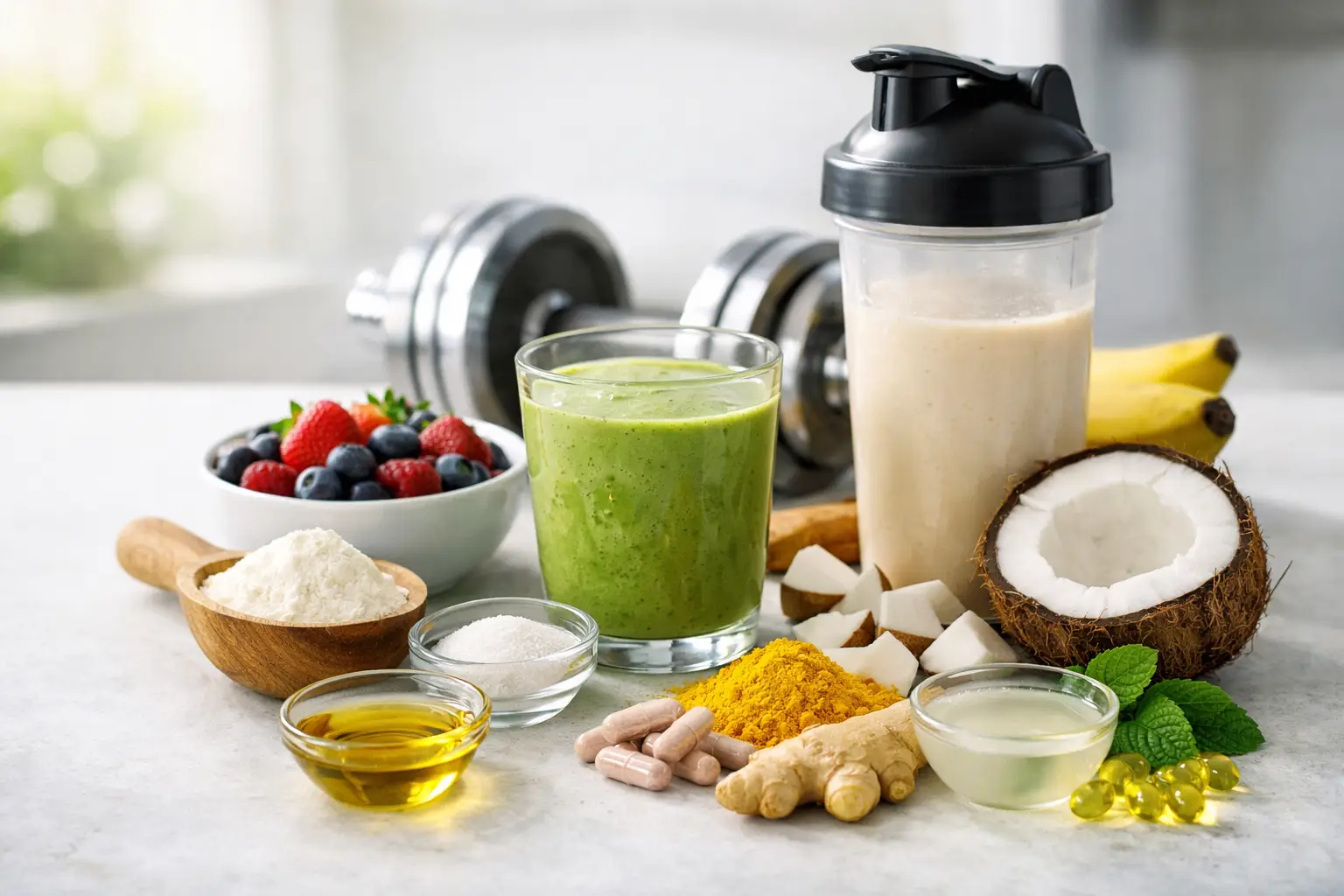
A recovery beverage succeeds or fails long before it reaches the shelf. Consumers may see a clean label and a performance claim, but buyers and brand owners must evaluate the formula behind it: Does it rehydrate effectively? Does it fit the use occasion? Can it maintain taste, stability, and consistency at commercial scale? The best ingredients for recovery beverages are those that deliver a clear functional role without creating unnecessary complexity.
For post-workout, active-lifestyle, and everyday replenishment products, recovery is not one need. A consumer finishing a 10K, someone leaving a fitness class, and a traveler recovering from a long day may all choose the same category for different reasons. The strongest beverage concepts define the recovery moment first, then build the ingredient system around it.
What Recovery Beverages Need to Deliver
At their core, recovery beverages are designed to support hydration, replenish energy, and help the body return to normal function after exertion. Depending on the positioning, they may also support muscle recovery, reduce perceived fatigue, or offer a more convenient nutritional option after activity.
That does not mean every formula needs every functional ingredient. Overbuilding a beverage can compromise flavor, raise cost, complicate sourcing, and create processing challenges. A well-executed hydration drink may need a focused electrolyte system and light carbohydrate support. A post-training beverage may require protein and a more substantial nutrition profile. Product discipline matters.
For commercial development, ingredient selection must also account for solubility, pH, heat tolerance, shelf-life targets, packaging format, labeling requirements, and regional regulations. Real ingredients and real results require formulas that work in the plant as reliably as they work in the market.
The Best Ingredients for Recovery Beverages
Electrolytes for Meaningful Hydration
Sodium is the primary electrolyte in most serious recovery and hydration formulations. It helps replace losses through sweat and supports fluid retention, making it essential for products intended for active consumers. The right level depends on the use case: a casual wellness beverage may need a lighter profile than a product built for endurance training or high-heat activity.
Potassium, magnesium, and calcium can complement sodium, but they should be included with purpose. Potassium supports a balanced electrolyte profile, while magnesium is often associated with normal muscle function and energy metabolism. Calcium can be appropriate in nutrition-forward formulations. Each mineral source affects taste differently, and excessive levels can introduce bitterness, saltiness, or chalkiness.
The source matters as much as the claim. Sodium citrate can provide a less aggressively salty profile than some alternatives and can support acidity management. Mineral salts may communicate a more familiar, elemental ingredient story, but they require close sensory work. The objective is not to load a label with minerals. It is to create an electrolyte system that consumers will drink repeatedly.
Carbohydrates for Replenishment and Taste
Carbohydrates can help restore energy after prolonged or demanding physical activity. They also contribute body, sweetness, and overall drinkability. For recovery beverages, the choice often comes down to the desired nutrition profile and target consumer.
Glucose and dextrose are efficient, familiar options for rapid energy delivery. Sucrose can provide a clean sweetness profile and dependable processing performance. Fruit juices and fruit concentrates can support a more natural positioning while contributing flavor and carbohydrates, although they introduce variation in acidity, color, and sugar content. Coconut water can add a recognizable natural cue and some potassium, but its flavor and cost need to fit the finished concept.
Low- or no-sugar recovery products remain commercially relevant, particularly for consumers who want hydration without a high-calorie profile. These formulas need careful positioning. A zero-sugar beverage can be excellent for everyday hydration, but it is not necessarily the right product for replenishing energy after long-duration exercise. The label should match the job the beverage is intended to do.
Protein for Post-Exercise Nutrition
Protein is a logical component in beverages positioned for muscle support after training. Whey protein isolate offers a strong protein density and a well-established consumer association with sports nutrition. It can work particularly well in ready-to-drink products when formulation, homogenization, and heat treatment are managed precisely.
Milk protein, casein, and plant proteins each serve different product strategies. Casein can support a slower-digesting nutrition proposition but may create a thicker texture. Pea protein can fit plant-based positioning, although its flavor and sedimentation risks require experienced formulation. Blends of pea and rice protein may improve amino acid balance and sensory performance, but they can add cost and label complexity.
Protein beverages demand more manufacturing attention than electrolyte drinks. Heat stability, pH, emulsion design, sediment control, flavor masking, and package selection must be tested as one system. A strong protein claim is of limited value if the product separates on the shelf or delivers a gritty finish.
Amino Acids for Targeted Performance Positioning
Branched-chain amino acids, including leucine, isoleucine, and valine, are widely recognized in active nutrition. Essential amino acid blends can offer a more complete nutritional approach, particularly in clear recovery beverages where full protein would be difficult to formulate.
These ingredients are not automatically necessary. Amino acids can produce bitter, sulfurous, or lingering off-notes, and effective masking can raise formula costs. They also need a clear reason to exist in the product. A beverage designed for gym-focused consumers may benefit from an amino acid platform. A mainstream hydration product may perform better with a cleaner, simpler electrolyte-led formula.
Creatine for Strength and Training Concepts
Creatine monohydrate has a strong evidence base in sports nutrition and is familiar to consumers focused on strength and power training. It can differentiate a recovery beverage aimed at regular gym users, especially in powder or concentrate formats.
Ready-to-drink applications require more caution. Creatine stability depends on the beverage environment, particularly acidity and storage time. A formula that performs well at pilot scale must be validated through full shelf-life testing. For many brands, a separate powder format or a product designed for faster consumption may be the more practical route.
Tart Cherry and Fruit-Based Recovery Cues
Tart cherry has become a recognizable ingredient in recovery-oriented products because of its naturally occurring polyphenols and its association with post-exercise wellness. It provides a clear fruit-led story and can pair well with berry, citrus, and botanical flavor profiles.
The trade-off is formulation control. Juice-based ingredients affect sugar, color, acidity, and batch-to-batch consistency. A brand must decide whether a meaningful fruit ingredient is central to the product proposition or simply a flavor cue. If it is central, sourcing specifications and sensory standards should be established early.
Other fruit ingredients, such as watermelon, pomegranate, and berries, can build a natural recovery narrative. Their value is strongest when the formula does not overstate what the ingredient can do. Clean, specific communication builds more trust than a long list of loosely connected functional claims.
B Vitamins and Magnesium for Energy Metabolism
B vitamins are common in performance beverages because they support normal energy-yielding metabolism. They can complement a recovery formula, especially one positioned for busy, active consumers who see recovery as more than athletic performance.
However, high vitamin levels can affect flavor and color, while heavy fortification may make the product feel more like an energy drink than a recovery beverage. Magnesium has similar positioning value but needs careful dosing due to taste and, at high levels, potential digestive concerns. The best approach is balanced fortification that supports the product’s role without distracting from hydration, nutrition, or flavor.
Formulation Decisions That Separate Strong Products
Ingredient quality is only one part of the equation. The finished beverage must remain stable through production, transport, storage, and real-world use. This is where promising concepts often lose ground.
Start with the intended format. Clear electrolyte beverages can work well in cans, PET bottles, and stick packs, but each format presents different oxygen, light, and processing considerations. Protein recovery beverages may require aseptic processing or other specialized production capabilities. Carbonation can create a premium drinking experience in some hydration concepts, but it may be less suitable for protein systems or high-electrolyte formulas.
Taste should be evaluated early and repeatedly. Consumers may accept a light salty note in a serious endurance beverage, but not in a daily wellness drink. Natural flavors, acids, sweeteners, and masking systems need to work with the active ingredients rather than cover them aggressively. The most scalable formulas are usually those that solve sensory challenges through smart ingredient architecture, not excessive flavoring.
Claims also require restraint. Recovery ingredients should be supported by compliant, substantiated communication appropriate to the target market. Brands should avoid treating a beverage as a medical solution. Clear positioning around hydration, replenishment, active nutrition, and post-workout support is more durable than exaggerated promises.
Build the Formula Around the Consumer and the Supply Chain
A recovery beverage is not defined by a single trending ingredient. It is defined by whether its ingredients, sensory profile, claims, package, and production method support the same commercial objective.
For a clean-label hydration drink, electrolytes, controlled sweetness, and recognizable fruit or botanical ingredients may be enough. For a premium post-workout platform, protein or amino acids may warrant the added formulation work. For strength-focused consumers, creatine may create a stronger reason to choose the product, provided stability and format requirements are addressed from the beginning.
UNC One Corp. approaches functional beverage development with that same discipline: build around real ingredients, verify performance in production, and protect quality at scale. The right recovery beverage does not need an overloaded label. It needs a formula consumers trust, buyers can stock with confidence, and a manufacturing plan that performs without compromise.

No responses yet