
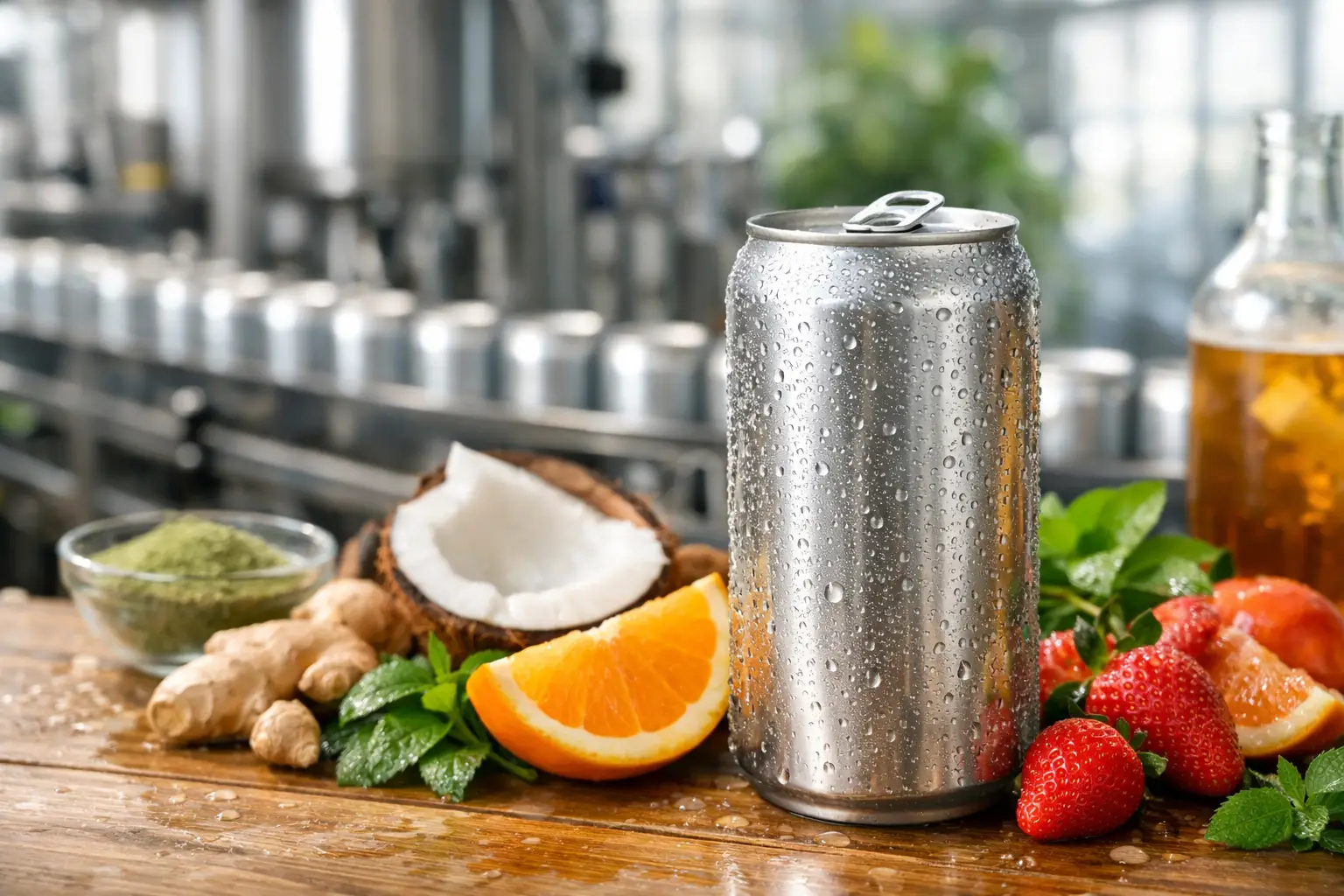
Shelf velocity can hide expensive problems. An energy drink may look right on paper, but if the formula is unstable, the claims are weak, or production cannot scale, the brand pays for it later. That is why choosing a natural energy drink manufacturer is not a sourcing detail. It is a product, compliance, and growth decision.
For buyers, distributors, and emerging beverage brands, the standard is higher than simply finding a plant that can fill cans. The right manufacturing partner must protect clean-label positioning while meeting commercial realities such as lead times, cost controls, channel requirements, and repeatable quality. In natural energy, performance and purity have to hold together under pressure.
What defines a natural energy drink manufacturer
A natural energy drink manufacturer is not just a co-packer using a standard base with new branding. The role is broader. It includes ingredient sourcing, formulation support, flavor balance, process validation, packaging compatibility, regulatory review, and production planning that can support growth across multiple markets.
In this category, natural has to mean something operationally. Real ingredients, plant-based caffeine sources, functional additions, and cleaner labeling all create formulation challenges that conventional energy products may avoid. Natural color systems can shift over time. Botanical ingredients can affect taste, clarity, and stability. Sweetener choices can improve label appeal while making flavor work more difficult. Manufacturing competence is what turns those variables into a consistent commercial product.
That distinction matters because the market is crowded with products that promise wellness and energy in the same can. Buyers and consumers have become more selective. If the drink does not perform, taste clean, and hold quality through distribution, the natural claim alone will not carry it.
Why natural energy drinks are harder to make well
The strongest products in this segment are built with discipline. Caffeine level, sweetness profile, acid balance, mouthfeel, and functional ingredients all have to align. A drink can be natural and still fail if it tastes medicinal, separates in storage, or changes character after transport and warehousing.
This is where a qualified natural energy drink manufacturer earns its value. It must understand how ingredients behave at production scale, not just in a development sample. Small-batch success does not automatically transfer to high-speed automated lines. Heat exposure, fill conditions, packaging type, and shelf-life targets all change the outcome.
There are trade-offs. A shorter ingredient list may strengthen market appeal, but it can limit processing flexibility. Certain natural flavors create a cleaner taste profile, yet they may cost more or require tighter sourcing controls. Some functional ingredients support stronger positioning, but they can complicate compliance or reduce sensory appeal. Serious manufacturers address these decisions early, before a brand commits to a formula that cannot scale efficiently.
The commercial standard is higher than flavor alone
Taste gets the first sale. Execution drives the rest. A natural energy beverage has to arrive on spec, on time, and with documentation that satisfies buyers, importers, and retail requirements. That includes batch consistency, ingredient traceability, packaging accuracy, and labeling discipline.
For commercial partners, this is not abstract. Poor canning performance, delayed production windows, or formula inconsistency can disrupt launch timing and damage retail confidence. Buyers need products that fit category demand without introducing avoidable risk. Brand owners need a production partner that can support velocity once demand increases.
This is why manufacturing scale matters, but scale alone is not enough. High output without product control creates a different problem. The better model combines premium beverage standards with industrial reliability. That balance allows a manufacturer to preserve ingredient integrity while supplying larger programs and broader distribution.
What to evaluate in a natural energy drink manufacturer
The first question is whether the manufacturer understands the category beyond basic beverage production. Natural energy is not the same as sports hydration, sparkling water, or traditional carbonated soft drinks. The formulation logic, ingredient interactions, and market expectations are different.
The second question is whether the company can support end-to-end development or only fill an approved formula. Some brands arrive with a finished concept and need execution. Others need support with flavor architecture, active ingredient selection, sweetening strategy, packaging format, and claims alignment. The more complex the product vision, the more valuable a fully integrated manufacturer becomes.
The third question is whether the production platform matches the growth plan. A manufacturer may be suitable for pilot runs but not for national retail rollout. Another may be optimized for high volume but inflexible on formulation detail. It depends on the stage of the brand and the channels being targeted. Hospitality, convenience, grocery, club, and export markets all place different demands on pack size, finish, and supply cadence.
Compliance should be examined just as closely as formulation. Natural energy products often rely on a mix of botanical ingredients, vitamins, extracts, and structure-function positioning. Claims have to be supportable. Labels have to be accurate. Documentation has to be available. A disciplined manufacturer reduces the risk of expensive reformulation or delayed market entry.
Formulation decisions that shape the finished product
Most buyers focus first on caffeine source, but that is only one part of the performance equation. Whether the formula uses green tea extract, guarana, coffee-derived caffeine, or another natural source, the broader system still determines how the drink performs in market.
Sweetening is a major decision point. Cane sugar can deliver a fuller profile and stronger mainstream acceptance, but it changes calorie count and positioning. Reduced-sugar systems may improve appeal for wellness-focused consumers, yet they can introduce aftertaste or require more flavor work to maintain balance. There is no universal answer. The right path depends on target price point, channel, and brand promise.
Functional additions create another set of choices. B vitamins, amino acids, adaptogens, electrolytes, and botanical extracts can strengthen differentiation, but every addition must justify itself in flavor, stability, compliance, and cost. More ingredients do not always create a better product. In many cases, a tighter formula with clear benefits performs better commercially than an overloaded one.
Packaging also influences formulation success. Carbonation level, can size, liner compatibility, and shelf-life requirements all affect how the product should be built. A manufacturer that treats packaging as an afterthought is likely to create avoidable issues later in distribution.
Scale, supply flexibility, and international production
A natural beverage brand can outgrow a weak manufacturing setup faster than expected. One successful retail placement, one export opportunity, or one distribution agreement can strain a limited production model. When that happens, the brand faces delays, substitutions, or quality drift.
That is why supply flexibility matters. Manufacturing reach across multiple regions can reduce risk, support lead-time planning, and improve continuity when demand changes. It can also help brands align production with target markets rather than moving product inefficiently across long distances.
For importers and distribution partners, this capability signals operational maturity. For brand owners, it creates room to grow without rebuilding the supply chain every time volume increases. UNC One Corp. operates with that kind of manufacturing discipline, combining heritage beverage standards with scalable production capacity across key international markets.
When a contract manufacturer becomes a growth partner
Some relationships stay transactional. Others create leverage. The difference usually comes down to whether the manufacturer can solve more than one problem.
A capable natural energy drink manufacturer should help a brand move from concept risk to production confidence. That includes refining the formula, identifying practical cost targets, anticipating scale issues, and aligning the finished product with channel requirements. It also means knowing when to push back. Not every ingredient combination, claim set, or packaging idea belongs in a launch-ready product.
For buyers, the same principle applies. A manufacturing partner should offer more than capacity. It should deliver confidence that the product will remain consistent, compliant, and commercially viable as placements expand. That confidence is what supports repeat orders and long-term category performance.
Natural energy is still a growth category, but it is no longer forgiving. Products are judged on taste, label quality, functionality, and reliability all at once. The manufacturers that stand out are the ones that can protect all four without compromise.
If you are evaluating your next energy product, start with the manufacturing standard, not just the concept. Real ingredients only create real results when the production behind them is built to match.

No responses yet