
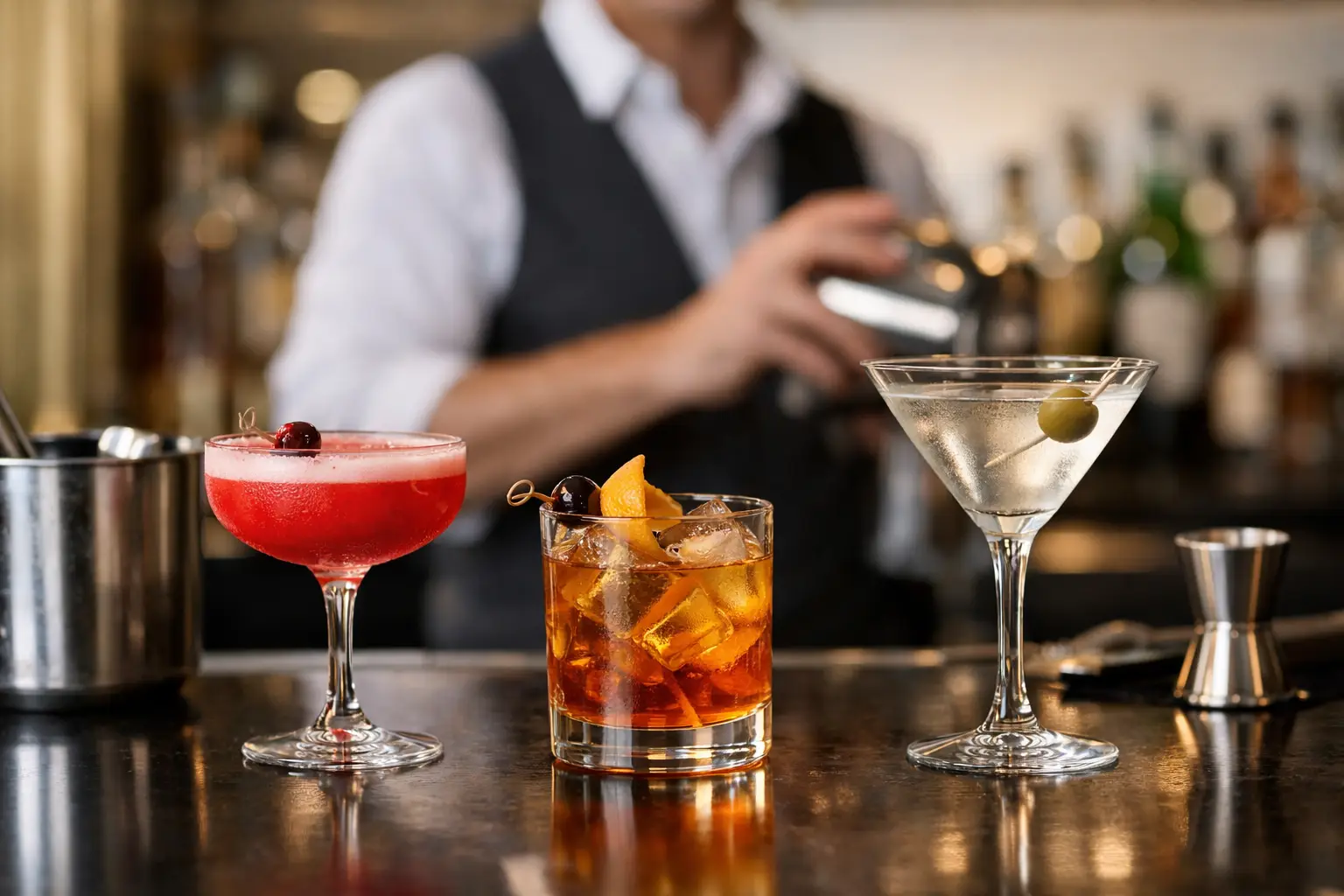
A full bar on a Friday night is a test of more than drink recipes. It tests speed, inventory discipline, staff consistency, glassware availability, and the ability to deliver the same guest experience from the first order to the last. Hospitality ready to serve cocktails help operators meet that test with a format built for fast execution without accepting weak flavor, artificial positioning, or inconsistent pours.
For hospitality buyers, the question is no longer whether ready-to-serve cocktails belong on the menu. The question is whether a product can uphold premium standards while solving real operational pressure. The strongest programs do both: they use recognizable ingredients, support reliable margins, and perform under the pace of service.
Why hospitality ready to serve cocktails are gaining ground
Cocktail programs have traditionally depended on skilled bartenders, fresh preparation, and a broad back bar. That model can create a memorable experience, but it also creates variability. A well-trained bartender can make an excellent cocktail in seconds. A new hire during a rush may not. Different locations may use slightly different specs, portions, or garnishes. Waste accumulates when fresh ingredients have a limited shelf life and demand is hard to forecast.
Ready-to-serve cocktails give hospitality operators a controlled alternative. A finished cocktail format can reduce the number of steps required at service, standardize the base recipe, and make it easier to train staff across shifts and locations. It can also expand the occasions where cocktails are viable, including pool service, hotel minibars, event venues, stadium suites, airline programs, and restaurants where the bar is not the center of the operation.
That does not mean every cocktail should be pre-made. A destination cocktail bar may rightly protect the theater of a bartender-built drink. But many venues need a dependable premium option alongside their handcrafted menu. The right ready-to-serve product gives them that option without compromising the brand experience.
The standard is quality, not convenience alone
Convenience may open the door, but quality determines whether a cocktail earns repeat orders. Hospitality buyers should assess a ready-to-serve cocktail as they would any other premium beverage: by what is in the bottle or can, how it tastes when served correctly, and whether the supplier can deliver consistently.
Real fruit components, properly balanced acidity, clean sweetness, and a credible spirits profile matter. So does the absence of shortcuts that undermine menu claims. A cocktail labeled as natural or made with real ingredients must deliver a flavor profile that supports those words. Guests may not ask for a production specification, but they recognize a drink that tastes flat, overly sweet, or artificial.
Packaging also affects quality perception. Glass may suit a premium restaurant table service program, while cans can be the better operational choice for pools, outdoor spaces, transport, and high-volume events. Neither format is automatically superior. The right choice depends on venue conditions, service method, storage capacity, local regulations, and the intended price point.
Consistency protects the menu
A cocktail menu is a promise. When a guest orders the same drink at two locations, on two different nights, they expect the core experience to remain stable. Batch-controlled production helps protect that promise by managing recipe accuracy, fill levels, sensory standards, and shelf-life performance before product reaches the venue.
This is especially valuable for multi-unit operators and hotel groups. A centralized beverage program can maintain a recognizable signature offering without requiring every property to source ingredients, build batches, and train staff to the same level. The result is not simply faster service. It is better control over the guest experience.
Operational benefits that show up on the floor
The business case for ready-to-serve cocktails is strongest when it is tied to specific operating conditions. During peak periods, fewer preparation steps can increase throughput and reduce the chance that a line builds because one station is waiting on a complicated cocktail order. For venues with limited bar infrastructure, a finished cocktail can create menu range without adding a full set of syrups, juices, modifiers, and specialty spirits.
Labor is another consideration. Hospitality operators still need knowledgeable staff, but ready-to-serve formats reduce dependence on every employee having advanced cocktail technique. Training can focus on correct chilling, glass selection, garnish standards, responsible service, and presentation. Those details remain essential, yet they are more repeatable than a lengthy recipe executed under pressure.
Waste control can be equally meaningful. Fresh citrus, herbs, and perishable mixers are valuable tools when a venue has consistent volume and a cocktail-led program. In lower-volume settings, they can create loss. A shelf-stable, properly produced ready-to-serve cocktail helps operators forecast inventory more accurately and reduce discarded ingredients.
Margin performance still depends on the full serve. Buyers should evaluate unit cost alongside serving size, garnish requirements, ice usage, menu price, and expected velocity. A lower-cost product is not necessarily the better commercial decision if it requires extra labor or fails to support a premium price. Likewise, a premium cocktail can justify its position when it improves speed, maintains taste, and gives guests a clear reason to order again.
Building a hospitality-ready cocktail program
A successful program starts with the venue, not the package. A luxury hotel lobby, a casual resort pool, a national restaurant group, and an event caterer have different service realities. Product selection should reflect the occasion and the customer’s expectations.
Start by defining the role of the cocktail. It may be a high-volume house serve, a premium alternative to beer and wine, a seasonal feature, or a solution for locations with limited bartending capacity. That role determines the appropriate flavor profile, format, pricing, and level of presentation.
Then establish a service specification. Decide whether the cocktail is served chilled, over ice, with a garnish, or poured into a particular glass. Keep the ritual simple enough to execute consistently. A garnish can raise perceived value, but only if it is available, fresh, and practical during a rush. A complex serve undermines the operational advantage the product was meant to provide.
Finally, test under real conditions. Sample the product at the actual temperature and dilution level guests will receive. Run a service trial during a busy shift. Measure ticket times, staff feedback, guest response, and product loss. Procurement decisions should be based on more than a tasting-room sample. The product has to work where it will be sold.
What buyers should expect from a supplier
A hospitality cocktail partner must bring more than an appealing label. Buyers need confidence in ingredient standards, quality control, regulatory readiness, packaging reliability, and supply continuity. Those requirements become more demanding when a program expands across regions or channels.
Manufacturing scale matters because hospitality demand is rarely static. A successful listing can move quickly from a pilot at one property to a broader rollout across a group, distributor network, or retail-adjacent program. Suppliers need the capacity to support growth without changing the product, delaying replenishment, or weakening quality controls.
At the same time, scale should not erase product integrity. The strongest manufacturers combine disciplined formulation with automated production that can protect flavor, fill accuracy, and presentation at volume. For brands and buyers, that balance creates room to build premium offerings with commercial confidence. UNC One Corp. operates from that principle: real ingredients, strict standards, and production capacity without compromise.
Ready-to-serve does not mean one-size-fits-all
The category works best when operators use it selectively. A venue known for classic bartending may reserve ready-to-serve cocktails for terrace service, banquets, rooms, or peak-volume events. A limited-service restaurant may make them a central part of its beverage strategy. A resort may use different formats for its lobby, beach, and in-room programs.
The trade-off is straightforward. The more a venue relies on pre-finished cocktails, the more carefully it must protect differentiation through product selection, serving standards, menu language, and hospitality. Guests do not need to watch every ingredient being measured to feel they are receiving something premium. They do need a drink that tastes deliberate, arrives in the right condition, and fits the setting.
For operators and beverage partners, the opportunity is to treat ready-to-serve cocktails as a performance tool rather than a shortcut. Choose products with real quality behind them, build service standards that staff can execute, and use scale to make the guest experience more reliable with every pour.

No responses yet