
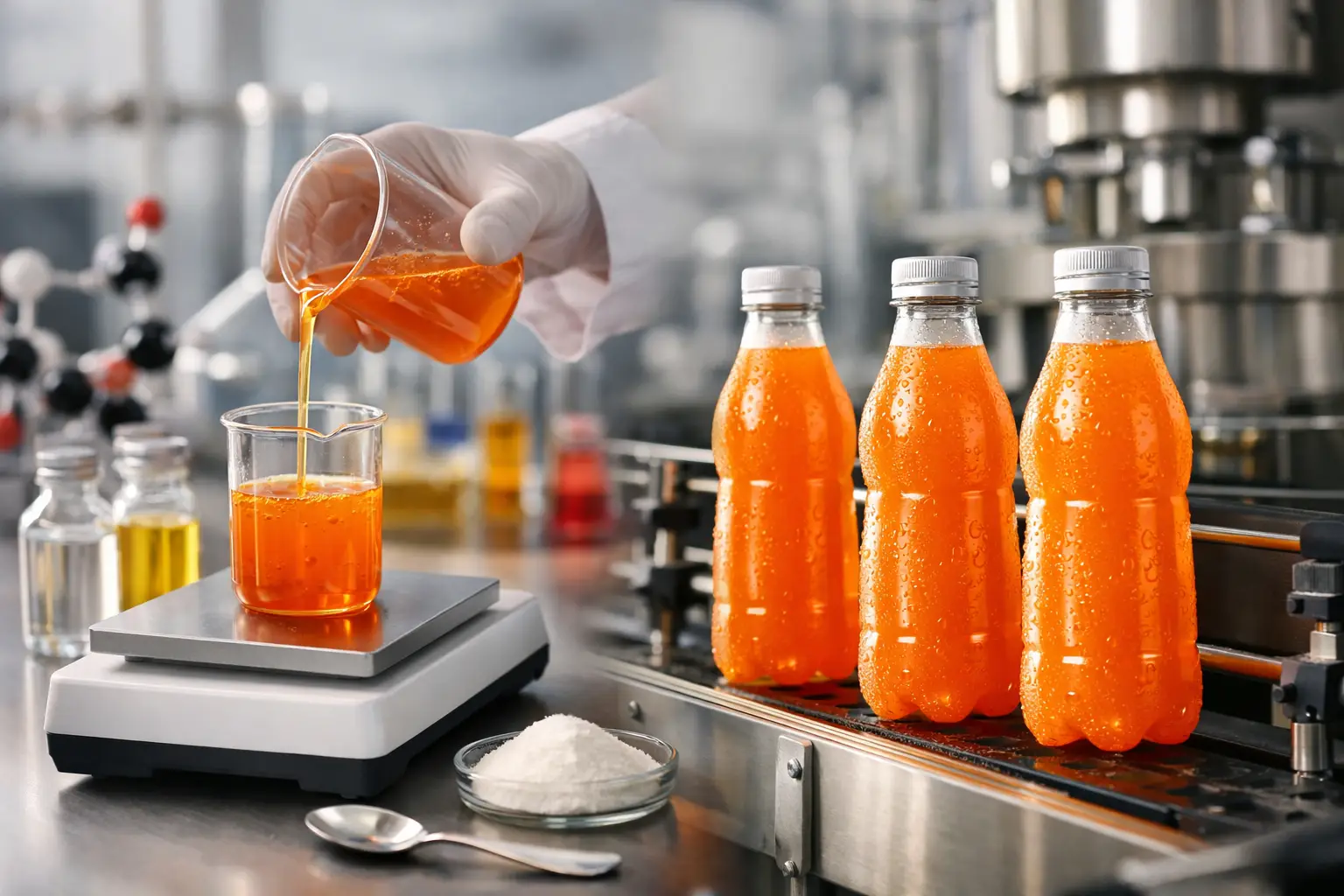
A beverage can taste exceptional in a development sample and still fail in the market. The gap is rarely one issue. It is usually a mismatch between the liquid, the package, the production line, the cost structure, and the buyer’s expectations. From Formula to Design, successful beverage development treats every one of those decisions as part of the product.
From Formula to Design Is One System
A formula is not finished when it tastes right. It must retain its intended flavor, color, texture, and functional benefit throughout its shelf life. It must also run consistently at commercial speed, meet applicable labeling requirements, and arrive in packaging that supports the brand’s position.
For natural cocktails, sports drinks, energy beverages, and functional concepts, that discipline matters even more. Real juice, botanical extracts, electrolytes, vitamins, and natural colors can introduce variation, sediment, flavor drift, or stability concerns. Those factors need to be resolved before the brand commits to artwork, purchase orders, and distribution timelines.
The strongest products are designed around a clear commercial brief. Who is buying the beverage? Is it built for retail shelves, hospitality programs, gyms, convenience stores, or multiple channels? What price point must it support? The answers influence ingredient selection, serving format, pack size, and manufacturing approach from the beginning.
Start With the Product Promise
Every decision should support a promise the finished product can deliver repeatedly. A clean-label hydration drink may require a different acid system, sweetening strategy, and processing method than a premium ready-to-drink cocktail. A functional energy beverage may need to balance performance ingredients with flavor masking, regulatory limits, and consumer tolerance.
Claims should follow the formula, not lead it. If a product is positioned around natural ingredients or functional benefits, its ingredient deck, nutrition panel, and sensory experience need to support that position without compromise. Overpromising creates risk. Clear, defensible product standards create trust with buyers, distributors, and consumers.
Build the Formula Against Commercial Reality
Ingredient quality, availability, and cost are part of formula development, not procurement details to address later. A flavor that depends on a limited or volatile raw material may be appropriate for a small seasonal release, but it can create supply risk for a national rollout. The same is true when an ingredient performs well in pilot runs but behaves differently at larger volumes.
Commercial formulation requires practical answers: Can the ingredient supply remain consistent across markets? Does it hold up during processing? Is it compatible with the selected package? Can the finished product achieve its target shelf life without moving away from the brand’s quality standards?
This is where scale changes the work. Pilot batches confirm a direction. Production trials confirm whether that direction is repeatable. Temperature, mixing order, carbonation, fill conditions, and sanitation controls can all affect the finished beverage. A reliable manufacturing program documents those parameters and builds them into the process.
Packaging Is Part of Product Performance
Can, bottle, closure, label, and secondary packaging decisions affect more than shelf appearance. They influence oxygen exposure, light protection, carbonation retention, transportation durability, line efficiency, and unit economics. A premium matte finish may reinforce brand value, but it also needs to perform through filling, warehousing, and distribution.
Design must also make the product easy to understand at a glance. Buyers need clear differentiation, while consumers need a direct reason to choose the beverage. That may be an all-natural cocktail made with real ingredients, a sports drink built for hydration, or a functional beverage with a defined performance role. Strong packaging communicates that benefit cleanly without crowding the panel with claims the product cannot support.
Validate Before Volume
Before full-scale production, the product should be evaluated through the conditions it will face in the market. This includes shelf-life testing, sensory review, packaging compatibility, production trials, label verification, and logistics assessment. Each step reduces the chance that a correctable development issue becomes an expensive commercial problem.
It also protects channel relationships. A distributor needs confidence that a reorder will match the first shipment. A retail buyer needs assurance that the package will arrive in sellable condition. A hospitality operator needs a beverage that performs consistently service after service. Quality is not a single checkpoint. It is a controlled process from ingredients to finished cases.
Scale Without Losing the Product Standard
For emerging brands, the challenge is often moving from a strong concept to a production-ready beverage without losing what made the concept compelling. For established brands, the priority may be added capacity, regional supply flexibility, or a more efficient production model. In both cases, the right manufacturing partner should connect formulation, packaging, compliance, and production planning rather than treating them as separate handoffs.
UNC One Corp. applies that approach across natural beverage categories, combining product development discipline with scalable manufacturing capacity. The objective is straightforward: preserve product integrity while building a supply model that can support real demand.
A beverage earns its place on shelf through more than a good first sip. Build the formula, package, and production plan to the same standard, and the brand is better prepared to perform when volume arrives.

No responses yet