
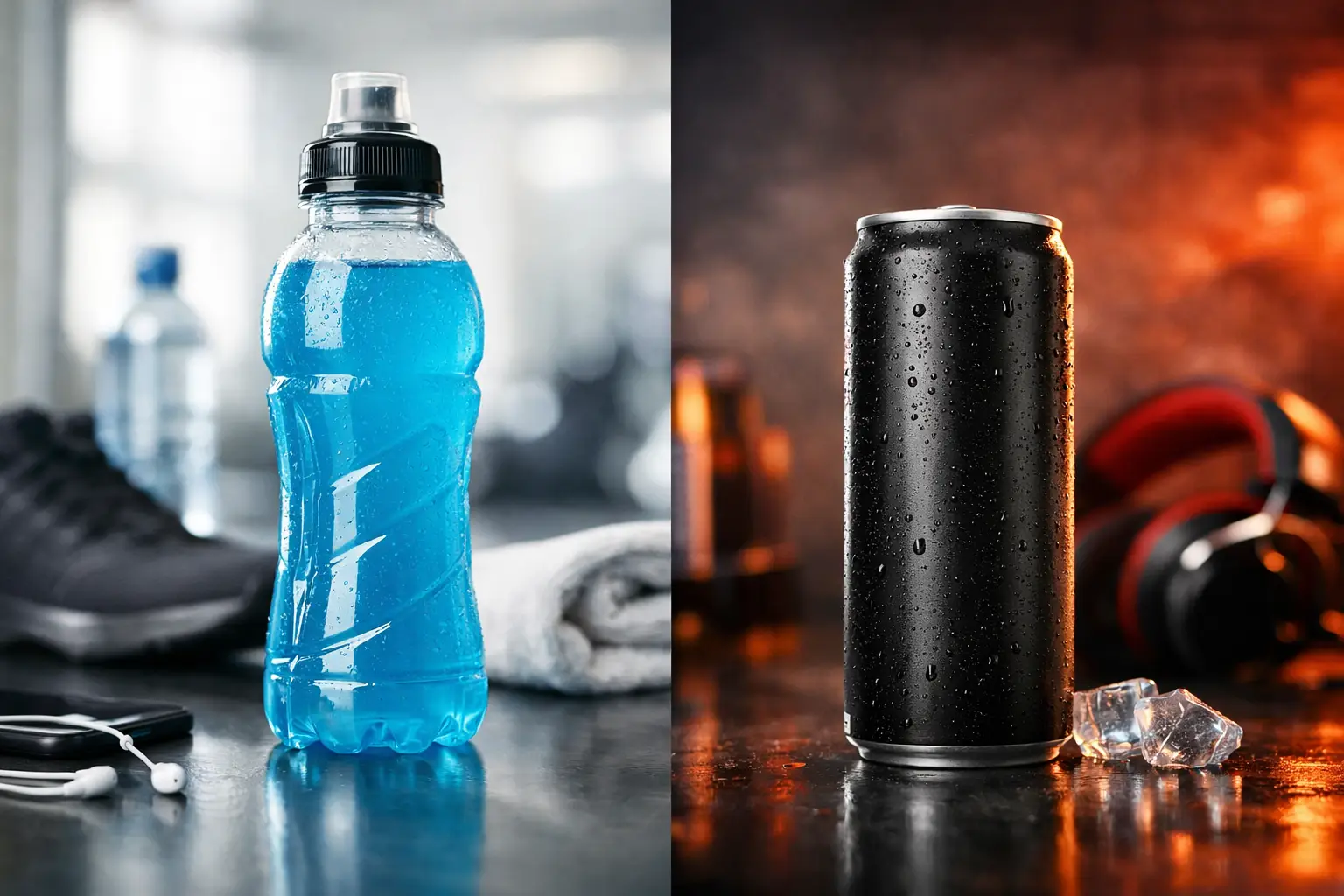
A consumer reaching for a cold can before a workout is making a different choice from the consumer reaching for one during a long drive, late shift, or study session. That distinction is the commercial core of sports drinks vs energy drinks. Both may be positioned around performance, but they solve different consumer needs, use different ingredient systems, and require different discipline in formulation, claims, packaging, and channel strategy.
For buyers, distributors, and beverage founders, treating the categories as interchangeable creates avoidable risk. A strong product starts with a clear use occasion, then delivers an ingredient story and sensory experience that support that promise without compromise.
Sports Drinks vs Energy Drinks: The Core Difference
Sports drinks are designed primarily to support hydration around physical activity. Their formulation typically centers on fluids, electrolytes, and, depending on the product position, carbohydrates. Sodium is often the most important electrolyte because it helps replace losses through sweat and can support fluid retention when consumed during prolonged activity. Potassium, magnesium, and calcium may also appear, but their inclusion should serve a clear formulation purpose rather than a crowded label.
Energy drinks are designed primarily to support alertness and perceived energy. Caffeine is usually the defining active ingredient, supported by ingredients such as B vitamins, tea extracts, guarana, taurine, ginseng, or other functional components. The central consumer expectation is stimulation, not rehydration.
The overlap is real but limited. An energy drink can contain electrolytes, and a sports drink can contain a modest amount of caffeine. Yet a product with both hydration and stimulant cues must be built carefully. Combining functions may widen its appeal, but it can also confuse the consumer, complicate the label, and raise the standard for substantiating each claim. More ingredients do not automatically create a better beverage.
The Use Occasion Should Drive the Formula
A sports drink earns its place when hydration is the priority. This can include training, field sports, endurance events, outdoor work, travel in warm weather, or recovery after meaningful fluid loss. The formula needs to perform in the context of consumption. If it is intended for frequent use during activity, sweetness, acidity, electrolyte level, and flavor fatigue all matter.
Traditional sports drinks often use sugar to provide fast energy as well as taste. That approach remains relevant for long-duration or high-intensity activity, where carbohydrate intake can be useful. However, it is not the right answer for every consumer or occasion. Low-sugar and zero-sugar hydration products appeal to consumers who want electrolyte support without a high-calorie profile, especially during lighter workouts and everyday active routines.
Energy drinks earn their place when focus, wakefulness, and convenience are the primary benefits. Morning commutes, demanding workdays, gaming, study, nightlife, and long-haul travel are common occasions. Here, the caffeine source, dose, flavor profile, and pace of consumption shape the product experience.
A clean-label energy beverage may use naturally sourced caffeine from coffee fruit, green tea, or guarana. That can support a real-ingredient position, but “natural” should not become a substitute for clarity. Consumers and commercial buyers need to understand what the product delivers. A clearly disclosed caffeine amount and responsible package design are stronger trust signals than vague energy language.
Ingredients Are Only as Strong as Their Purpose
Ingredient selection should begin with the product promise. For sports drinks, the practical questions are straightforward: How much sodium is appropriate for the intended use? Is carbohydrate needed? Is the product designed for serious athletes, everyday wellness consumers, or both? Will the flavor remain enjoyable as the drink warms during use?
For energy drinks, the questions shift: What is the caffeine source and serving level? Which secondary functional ingredients genuinely strengthen the position? Does the formula avoid excessive sweetness and artificial-tasting notes? Can the brand communicate the product’s role without implying medical outcomes or overpromising performance?
The best formulations are often more disciplined than the most crowded ones. A hydration drink with purposeful electrolytes, balanced flavor, and a transparent nutrition panel can outperform a formula overloaded with marginal ingredients. The same principle applies to energy beverages. A defined caffeine system, quality ingredients, and a clean finish may create a more credible product than a long list of unfamiliar actives.
Sugar deserves particular attention in both categories. It affects flavor delivery, body, calorie content, consumer perception, and manufacturing economics. Reducing sugar can improve appeal for certain audiences, but replacement sweeteners must be selected and tested carefully. Some leave lingering sweetness, bitterness, or a thin mouthfeel. Product development should account for shelf life and consumer acceptance, not simply hit a target on a specification sheet.
Claims, Compliance, and Responsible Positioning
In the United States, beverage claims require precision. Words such as “hydration,” “electrolytes,” “energy,” “focus,” “natural,” and “zero sugar” carry commercial value, but they also require a formulation and label that can support them. A product should never rely on broad wellness language that outpaces its actual ingredients or permitted claims framework.
Caffeine deserves special care. Energy beverages should clearly communicate caffeine content and use packaging, serving sizes, and marketing that support responsible consumption. Positioning a caffeinated product as a universal hydration solution can be misleading, particularly if the intended use includes strenuous activity or heat exposure. The category can be innovative without blurring the reason consumers trust sports hydration in the first place.
For emerging brands, compliance should be addressed early, before packaging design and commercial launch. Ingredient status, nutrition facts, allergen considerations, market-specific labeling, and claim review all influence the final product. Retrofitting a formula after a label issue or retailer review is expensive and slows time to market.
What Buyers Should Look for in Each Category
Retailers, distributors, and hospitality buyers should assess sports drinks and energy drinks as distinct portfolio roles. Sports hydration can fit gyms, convenience, grocery, specialty wellness retail, sporting venues, and outdoor recreation channels. Energy products often have strong convenience, travel, foodservice, and late-day consumption potential. There is channel overlap, but the merchandising story should remain clear.
The product must also work operationally. Buyers need reliable specifications, consistent flavor, appropriate package formats, shelf stability, and dependable supply. A compelling concept that cannot maintain quality across production runs or scale into additional markets is not a durable business proposition.
For sports drinks, evaluate the electrolyte story, sugar strategy, flavor accessibility, and whether the product speaks to a specific activity level. For energy drinks, evaluate caffeine transparency, ingredient quality, the avoidance of excessive or unsupported claims, and whether the brand has created a meaningful point of difference in a crowded set.
Premium positioning does not require unnecessary complexity. It requires evidence that the product was built for a real consumer need and can be delivered consistently.
Manufacturing Decisions Shape the Final Product
The difference between a strong concept and a commercially ready beverage often appears during scale-up. Electrolyte systems can affect flavor, clarity, and stability. Natural flavors may perform differently after thermal processing. Caffeine and botanical ingredients require careful sourcing, dosing, and quality control. Sweetener systems must hold their profile throughout shelf life.
Package selection matters as well. Cans, PET bottles, glass, and multipacks each signal a different consumption occasion and have different operational implications. A single-serve can may suit an energy beverage built around convenience and cold-box visibility. A larger bottle may be more appropriate for hydration. The correct answer depends on the consumer, channel, target price, and distribution model.
This is where experienced beverage development and scalable manufacturing create an advantage. A disciplined partner can move a brand from concept through formula refinement, regulatory review, pilot production, and full commercial output while protecting product integrity. UNC One Corp. approaches beverage innovation with that standard: real ingredients, quality controls, and production capacity designed to support growth across markets.
Build for Clarity, Not Category Confusion
The market has room for both sports drinks and energy drinks, including carefully designed functional products that sit between traditional definitions. But the product must answer one simple question immediately: what is this beverage for?
If the answer is hydration through activity, build around fluid support, electrolytes, and a drinking experience consumers can sustain. If the answer is alertness, build around transparent caffeine, responsible positioning, and a formula that delivers a clean, reliable experience. When a product seeks to do both, every ingredient and claim needs a sharper reason to be there.
The strongest beverage portfolios do not chase every trend. They give consumers a clear benefit, give buyers a clear reason to list the product, and give distribution partners confidence that quality will hold at scale.

No responses yet